

The Hazards of Repetitive Stress Injuries in the Oil Industry
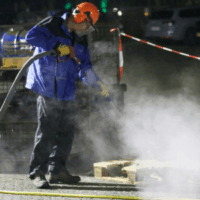
The life of a Louisiana oilfield worker is defined by physical labor. Whether you are working on a land rig in the Haynesville Shale or stationed on a jack-up rig in the Gulf of Mexico, the daily grind involves heavy lifting, constant vibration, and repetitive motions that take a toll on the human body. While catastrophic blowouts and sudden falls often make headlines, there is a silent hazard that sidelines countless workers every year: Repetitive Stress Injuries (RSIs). These injuries do not happen in a single, dramatic moment. Instead, they accumulate over months or years, slowly robbing a worker of their strength, mobility, and livelihood.
What Defines a Repetitive Stress Injury?
A Repetitive Stress Injury, often referred to by medical professionals as a cumulative trauma disorder or repetitive strain injury, occurs when muscles, nerves, ligaments, and tendons are damaged over time. Unlike a broken bone from a fall, an RSI is caused by the wear and tear of performing the same task thousands of times. In the oil industry, the sheer physical demand of the work accelerates this process.
The danger of these injuries lies in their gradual onset. A worker might initially dismiss numbness in their fingers or a dull ache in their lower back as simply “part of the job.” However, if left untreated and if the worker continues to perform the same duties without modification, these minor symptoms can evolve into permanent disabilities.
Common RSIs Among Oilfield Workers
The specific tasks performed on a rig—turning valves, pulling slips, handling tongs, and climbing stairs—target specific parts of the body. We frequently assist clients suffering from the following conditions:
- Carpal Tunnel Syndrome: This involves compression of the median nerve in the wrist, often caused by gripping vibrating tools or repetitive hand motions. It leads to numbness, tingling, and weakness in the hand.
- Cubital Tunnel Syndrome: Similar to carpal tunnel but affecting the ulnar nerve near the elbow. This is common in workers who must keep their elbows bent or resting on hard surfaces for long periods.
- Lumbar Disc Herniation: Years of heavy lifting, twisting, and bending can cause the discs in the lower spine to bulge or rupture, pressing on nerves and causing debilitating back and leg pain.
- Rotator Cuff Tendonitis: Overhead work and heavy lifting can cause the tendons in the shoulder to become inflamed or tear over time.
- Hand-Arm Vibration Syndrome (HAVS): Also known as “white finger,” this condition affects workers who operate high-vibration machinery. It causes blood vessel damage, numbness, and a loss of dexterity.
- Epicondylitis (Tennis or Golfer’s Elbow): Inflammation of the tendons in the elbow caused by repetitive gripping and twisting motions.
- Bursitis: Inflammation of the fluid-filled sacs (bursae) that cushion joints, often affecting knees and elbows from constant kneeling or pressure.
Why the Oilfield Environment Accelerates Cumulative Trauma
The oil and gas industry creates a “perfect storm” for RSIs due to the combination of environmental factors and operational requirements. It is not just the repetition; it is the context in which that repetition occurs.
Factors contributing to high RSI rates include:
- High-Force Exertion: Workers are often required to apply significant physical force to move heavy pipes, valves, and equipment.
- Awkward Postures: Maintenance and drilling tasks often require workers to twist, bend, or reach into tight spaces, placing joints in unnatural positions under load.
- Continuous Vibration: Operating pneumatic tools, drills, or simply standing on a vibrating deck for 12-hour shifts can destroy nerve endings and soft tissue.
- Extreme Temperatures: Working in the cold can reduce blood flow to the extremities, making muscles and tendons more susceptible to injury.
- Long Shifts and Fatigue: Fatigue leads to poor form. When a worker is exhausted at the end of a two-week hitch, they are more likely to use improper lifting techniques, increasing the strain on their body.
The Challenge of Proving Causation
One of the primary hurdles in seeking compensation for an RSI is proving that the injury was caused by work duties rather than age, hobbies, or general health issues. Insurance companies and employers are quick to deny these claims. They will argue that a back injury is due to degenerative disc disease caused by aging, or that wrist pain is the result of non-work activities.
To overcome these defenses, it is vital to establish a clear link between the job duties and the medical condition. This often requires:
- Detailed Medical Records: Documentation showing when symptoms began and how they correlate with work schedules.
- Job Safety Analysis (JSA): Reviewing the specific physical requirements of the worker’s role.
- Ergonomic Evaluations: Utilizing specialists to analyze the mechanics of the tasks the worker performed and demonstrating how those mechanics lead to injury.
- Witness Testimony: Statements from coworkers confirming the repetitive and strenuous nature of the tasks performed.
Legal Frameworks: Jones Act vs. Workers’ Compensation
For a Louisiana oilfield worker, your rights depend entirely on where you were working and your employment status at the time the injury developed. The legal path for a repetitive stress injury is rarely straightforward.
The Jones Act (Maritime Workers)
If you are classified as a “seaman”—typically meaning you work on a vessel in navigation, such as a jack-up rig, drillship, or supply boat—you are protected by the Jones Act.
- Negligence Standard: Under the Jones Act, you can sue your employer if their negligence contributed to your RSI. This could be as simple as failing to provide ergonomic tools, failing to rotate tasks to allow for rest, or understaffing a job so that one person has to do the work of two.
- Maintenance and Cure: You are entitled to daily living expenses and medical coverage until you reach Maximum Medical Improvement (MMI).
Longshore and Harbor Workers’ Compensation Act (LHWCA)
This federal law covers maritime workers who are not seamen, including those working on fixed platforms on the Outer Continental Shelf or in shipyards.
- No Fault Required: You do not need to prove the employer was negligent, only that the injury arose out of your employment.
- Wage Replacement: It provides medical care and a portion of lost wages.
Louisiana State Workers’ Compensation
For workers on land-based rigs or non-maritime sites within the state, state workers’ compensation laws apply.
- Sole Remedy: Generally, you cannot sue your employer for negligence. You are limited to the specific benefits provided by the workers’ comp statute.
Establishing Employer Negligence in RSI Cases
For Jones Act seamen, proving negligence is the key to recovering full damages, including pain and suffering. Negligence in the context of repetitive stress often looks different than negligence in a sudden accident. It is about the failure to manage work safely over time.
We look for evidence that the employer failed to:
- Implement Task Rotation: Keeping a worker on the same high-repetition task for an entire shift without rotation is a known risk factor.
- Provide Proper Tools: Failing to supply low-vibration tools or mechanical assists for heavy lifting.
- Conduct Hazard Assessments: Failing to identify ergonomic risks associated with specific job tasks.
- Train Workers: Failure to educate the crew on proper lifting techniques and the early signs of RSIs.
- Enforce Rest Breaks: Pushing crews to work through breaks, denying the body time to recover.
The Doctrine of Unseaworthiness
In addition to negligence, Jones Act seamen may have a claim based on “unseaworthiness.” A vessel owner has an absolute duty to provide a vessel that is reasonably fit for its intended purpose.
If a piece of equipment on the vessel was defective and forced a worker to use excessive force—for example, a valve that was rusted and required extreme torque to turn repeatedly—the vessel could be deemed unseaworthy. Similarly, if the crew was too small to perform the work safely, forcing individual workers to overexert themselves to keep up, this creates an unseaworthy condition. Unlike negligence, unseaworthiness does not require proving the owner knew about the problem; it only requires proving the problem existed and caused the injury.
The Statute of Limitations and the “Discovery Rule”
Timing is a critical factor in RSI cases. In a sudden accident, the clock for the statute of limitations starts ticking the day the accident happens. With a cumulative injury, the start date is less clear.
Under federal maritime law and many state laws, the “Discovery Rule” typically applies. This means the statute of limitations (generally three years for Jones Act cases, though state laws vary) does not begin until the worker knows, or should have known, that they have an injury and that the injury is work-related.
However, relying on the Discovery Rule is risky. Insurance companies will look for the first time you visited a doctor or complained to a supervisor about pain. If that date falls outside the statute of limitations, they will move to dismiss your case. It is vital to seek legal counsel as soon as you suspect your chronic pain is linked to your work.
Damages Recoverable for Repetitive Stress Injuries
The compensation available depends on the specific legal framework governing your claim, but the goal is to restore your financial stability. Because RSIs often end careers by preventing workers from performing heavy manual labor, the “loss of earning capacity” is often the largest component of the claim.
Potential damages may include:
- Medical Expenses: Past and future costs for surgeries (such as carpal tunnel release or spinal fusion), physical therapy, and pain management.
- Lost Wages: Pay for the time you were unable to work while recovering.
- Loss of Future Earning Capacity: If you can no longer work in the oilfield and must take a lower-paying job, you are entitled to the difference in earnings for the remainder of your work life.
- Pain and Suffering: Compensation for the physical pain and mental anguish caused by the injury (available under the Jones Act and third-party claims).
- Vocational Rehabilitation: Costs associated with retraining for a new career if you are permanently restricted from oilfield work.
What to Do If You Suspect an Oilfield RSI
If you are experiencing persistent pain, numbness, or weakness that you believe is related to your work in the oil industry, taking the right steps immediately can protect your future.
- Report the Injury: Notify your supervisor in writing. Be specific that your pain is resulting from your daily work duties.
- Seek Medical Attention: See a doctor immediately. Do not downplay your symptoms. Be honest with your doctor about your job tasks so the medical records reflect the connection between your work and your condition.
- Do Not Sign Settlement Documents: An insurance adjuster may offer a quick settlement for what they claim is a “minor sprain.” Accepting this can bar you from future compensation if the condition requires surgery later.
- Document Your Work: Keep a log of the tasks you perform, the equipment you use, and the hours you work.
Maritime Repetitive Stress Injuries: Get Specialized Legal Help
Navigating a repetitive stress injury claim requires a deep knowledge of both medical evidence and maritime law. The Trainor Law Firm is dedicated to fighting for the rights of Louisiana workers who have given their health to the energy industry. We know the tactics companies use to deny cumulative trauma claims, and we know how to build a case that holds them accountable. If you are suffering from a work-related injury, contact us today at 985-545-3422 or through our website to schedule a confidential consultation. Let us review your case and help you secure the recovery you need to move forward.