

The Impact of Automation on Oilfield Worker Skills and Injury Liability
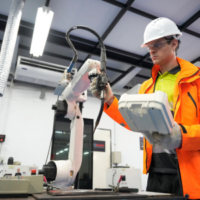
The Louisiana energy sector is a sophisticated, ever-evolving network. From the sprawling land rigs in the Haynesville Shale to the deepwater offshore platforms stretching across the Gulf of Mexico, the methods used to extract resources are advancing rapidly. The traditional image of the oilfield defined entirely by heavy lifting, swinging chains, and pure physical endurance is slowly being replaced by a new reality. Today, automated drilling systems, robotic iron roughnecks, and remote pipe-handling machinery are becoming the industry standard.
While energy companies implement these advanced systems with the promise of increased efficiency and safety, this technological shift introduces a complex new set of hazards. The introduction of software-driven heavy machinery has fundamentally altered the skill sets required of the men and women working in the “patch.” When a worker is injured today, the root cause is often a complex intersection of mechanical failure, software glitches, and inadequate technical training.
How Is Automation Changing the Daily Roles of Louisiana Oilfield Workers?
Automation is transforming Louisiana oilfield roles from manual labor to technical oversight. Workers now monitor computerized systems, operate remote controls, and troubleshoot software instead of using physical strength. This shift from physical strain to cognitive load means modern workers analyze real-time data and must trust automated systems, moving them from immediate physical danger but exposing them to new risks related to programming reliance.
The mental fatigue associated with monitoring screens for twelve-hour shifts can be just as debilitating as physical exhaustion. When an automated system requires intervention, the worker must transition instantly from passive observation to active, high-stakes problem-solving. This changing dynamic impacts the daily routine in several specific ways:
- Decreased Manual Pipe Handling: Robotic systems now perform much of the dangerous work of connecting and disconnecting drill pipe, reducing traditional crush hazards but introducing new risks if the robotics malfunctions.
- Increased Data Monitoring: Workers are expected to interpret complex data streams from downhole sensors to prevent blowouts or equipment damage.
- Maintenance of Delicate Components: Mechanics and electricians must now focus heavily on calibrating sensitive optical sensors and maintaining fiber-optic cables in harsh, corrosive environments.
- Remote Operations: Many functions previously performed on the rig floor are now executed from climate-controlled cabins, isolating the operator from the physical sounds and vibrations that traditionally warned of impending equipment failure.
What Are the Most Common Injuries Associated with Automated Rig Equipment?
Automated rig equipment commonly causes severe crush injuries from unpredictable movements, electrical burns from system failures, and repetitive stress conditions due to poor ergonomics at remote stations.
While automation aimed to boost safety, its failure often leads to catastrophic incidents. Workers are frequently injured not by overexertion but by sudden, unexpected machine actions resulting from faulty software commands.
Furthermore, the nature of repetitive stress injuries has evolved. Instead of joint degradation from swinging heavy tongs, workers are developing debilitating nerve conditions from poor workstation designs in control rooms. The injuries we see are frequently linked to modern rig technology include:
- Catastrophic Crush Trauma: Occurs when a worker enters a “red zone” for maintenance and a sensor fails to detect their presence, causing the automated machinery to cycle unexpectedly.
- Traumatic Brain Injuries (TBI): Resulting from high-pressure lines bursting or automated overhead equipment dropping due to a loss of digital communication between components.
- Electrical Shock and Burns: Stemming from the massive power requirements of advanced robotic systems, particularly when saltwater corrosion compromises wiring on offshore platforms.
- Hand-Arm Vibration Syndrome (HAVS): While less common with remote operations, workers maintaining the automated equipment are still subjected to intense vibrations from the specialized tools required to service these machines.
- Complex Orthopedic Damage: Resulting from the violent, unpredictable movements of robotic arms that lose calibration mid-task.
The Hidden Dangers of “Automation Complacency” on the Rig
A significant, yet rarely discussed, hazard of modern oilfield technology is “automation complacency.” When a company installs a state-of-the-art automated drilling system, there is often an underlying assumption that the machine will handle the dangerous work flawlessly. Over time, workers may begin to implicitly trust the automated safeguards, leading to a diminished state of situational awareness.
In a traditional rig environment, workers constantly scanned for visual and auditory cues of danger: a fraying cable, a strange vibration, or a changing engine pitch. Automated systems, however, often mask these early warning signs. A computerized system will continue to force a mechanical action until a sensor explicitly tells it to stop. If that sensor is covered in drilling mud or corroded by the salty air of the Gulf of Mexico, the machine will blindly continue its operation, regardless of who or what is in its path.
This complacency is not a failure of the worker; it is a predictable human response to highly reliable technology. A strong safety culture must actively combat this by encouraging workers to maintain a critical eye on automated systems and supporting them when they exercise “Stop Work Authority” to investigate a suspect sensor reading.
Who Is Liable for an Injury Caused by an Automated Rig Component?
Liability for an injury caused by an automated rig component can fall on the employer for inadequate training, the equipment manufacturer for design defects, or a third-party software developer if a coding error caused the heavy machinery to malfunction unexpectedly.
Determining fault in a high-tech oilfield accident is highly complex. In Louisiana, standard land-based employees are generally restricted to the workers’ compensation system for claims directly against their employer. However, the introduction of automated machinery frequently opens the door to third-party liability claims.
If a worker is pinned by a robotic pipe handler on a rig in the Haynesville Shale, the investigation must determine exactly why the machine moved. If the employer disabled a safety sensor to speed up production, the company’s systemic negligence is a primary factor. If the sensor failed because of a manufacturing defect, the company that built the sensor may be held responsible. Key avenues of liability include:
- Employer Negligence: Failing to perform required preventative maintenance on automated systems or discouraging workers from shutting down malfunctioning tech.
- Product Liability: Manufacturers producing defective hardware, such as substandard optical sensors or easily compromised wiring harnesses.
- Software Developer Liability: Third-party tech companies providing flawed code or failing to issue critical security patches for the rig’s operating system.
- Subcontractor Fault: Third-party maintenance crews failing to properly calibrate delicate automated machinery during rig-up procedures.
Investigating the Root Cause: Machine vs. Human Error
When an accident occurs on an automated rig, the initial reaction from corporate safety officers is often to blame the worker for “being in the wrong place” or “failing to follow protocol.” However, a deeper investigation frequently reveals a different story. Modern oilfield equipment leaves a comprehensive digital footprint.
Just like commercial aircraft, advanced drilling systems have internal data loggers. These digital records track every command sent, every sensor reading received, and every error code generated. By securing and analyzing this data, it is possible to reconstruct the exact sequence of events leading up to the injury.
Often, this data proves that the worker was reacting correctly to the information presented to them on their monitors, but the software was displaying false readings. Establishing the true root cause requires preserving this digital evidence immediately, before the machine is reset or the data is overwritten by subsequent operations.
How Does Lack of Training Contribute to Automated Oilfield Accidents?
Insufficient training significantly contributes to automated oilfield accidents; workers often lack the knowledge to manually override malfunctioning systems or recognize pre-failure software warnings. Companies invest heavily in automation but often fail to provide matching, comprehensive training. For example, experienced roughnecks may be expected to manage complex software interfaces after only brief orientations.
When an emergency occurs, a worker must know instinctively how to engage manual overrides. If they have only been taught how to operate the machine when it is functioning perfectly, they are left defenseless when the software crashes. This lack of preparation transforms a manageable equipment glitch into a life-altering accident. Critical training deficiencies often include:
- Inadequate Emergency Response Training: Failing to drill workers on how to physically shut down automated systems when digital controls become unresponsive.
- Poor Systems Integration Knowledge: Workers understand their specific piece of equipment, but not how it communicates with other automated systems on the rig floor.
- Lack of Troubleshooting Skills: Inability to distinguish between a minor sensor calibration error and a critical mechanical failure based on digital readouts.
- Insufficient Updates: Failing to retrain crews when the software running the automated machinery receives a major version update.
Does the Jones Act Cover Injuries from Automated Offshore Equipment?
The Jones Act covers seaman injuries from automated offshore equipment if caused by unseaworthy vessels or employer negligence regarding the advanced technology. Federal maritime law, including general maritime law, provides legal protection for workers on vessels like drillships and rigs off coasts such as Houma or Port Fourchon, mandating that the vessel owner provide a “seaworthy” vessel where all equipment, including automated systems, is reasonably fit for use.
If a computerized valve system fails and causes an explosion, or if a dynamic positioning system glitches and causes heavy equipment to shift violently across the deck, the vessel may be considered unseaworthy. Unlike a land-based workers’ compensation claim, a Jones Act seaman can pursue damages for pain and suffering, lost earning capacity, and future medical needs if employer negligence played a role in the technological failure. Important considerations for offshore workers include:
- The Unseaworthiness Doctrine: Liability can sometimes be imposed regardless of whether the employer knew about the specific software defect at the time of the accident.
- Maintenance and Cure: Injured seamen are entitled to daily living expenses and medical coverage until they reach Maximum Medical Improvement (MMI), regardless of who caused the software failure.
- Burden of Proof: Under the Jones Act, the burden to prove employer negligence is “featherweight,” meaning you only need to show the employer’s actions played a small part in causing the injury.
Seeking Proper Medical Care After a High-Tech Rig Incident
The type of medical care you seek immediately following an incident with automated machinery can significantly impact both your physical recovery and the documentation of your claim. Injuries caused by heavy machinery often involve massive blunt force trauma, requiring highly specialized trauma care.
In Louisiana, depending on where your rig is located, you may be transported to comprehensive facilities such as Ochsner Lafayette General Medical Center, Our Lady of the Lake Regional Medical Center in Baton Rouge, or Thibodaux Regional Health System. It is vital to clearly explain to the attending physicians exactly how the machinery failed.
Often, employer-recommended “company doctors” may attempt to minimize the severity of your condition to facilitate a rapid return to work, protecting the company’s safety metrics. You have the right to seek independent evaluations from physicians who will thoroughly document conditions like lumbar disc herniations or internal bleeding, which may not manifest severe symptoms until the adrenaline of the accident wears off.
How Do We Prove Fault in a Software-Driven Oilfield Accident?
Proving fault in an automated oilfield accident demands a highly technical investigation, including forensic engineering, internal data log analysis, and maintenance record review, to link a systemic failure or defect directly to the worker’s injury.
Visual evidence alone is insufficient; with automated equipment, the crucial evidence is often digital. Establishing a breach of duty requires a deep dive into the machinery’s digital and administrative history.
Treating Job Safety Analysis (JSA) reports as mere formalities, particularly when ignoring worker complaints about faulty software, powerfully demonstrates systemic neglect. The investigative process typically involves:
- Digital Forensics: Extracting and analyzing the code and operational logs from the machinery’s computer systems.
- Maintenance History Review: Examining records to determine if the automated equipment was repaired with temporary “patchwork” fixes rather than necessary manufacturer-approved replacements.
- Reviewing Internal Red Flags: Identifying “near-miss” reports where other workers previously complained about the exact same automated tool acting erratically before the injury occurred.
- Industry Standard Comparisons: Utilizing API (American Petroleum Institute) standards to demonstrate that the safety protocols used for the automated equipment were obsolete compared to current industry mandates.
Frequently Asked Questions
Can I sue the manufacturer of the automated equipment?
You can file a lawsuit against the manufacturer of automated equipment if a design flaw, manufacturing defect, or failure to provide adequate warnings directly caused your injury, resulting in a third-party product liability claim.
What is a “near-miss” report and why does it matter?
A near-miss report documents instances where equipment malfunctioned or safety protocols failed without causing immediate harm. These records serve as powerful evidence that a company knew about a dangerous automated system before your injury occurred.
What if my employer blames me for overriding the automated system?
Louisiana follows a comparative fault system. If your employer blames you for a mistake, your compensation may be reduced by your percentage of responsibility. Starting in 2026, being more than 50% at fault bars recovery completely.
Are my medical bills covered while my automated equipment injury case is pending? Workers’ compensation or specific medical payment coverages may handle immediate emergency room costs while your case is pending. The at-fault party’s liability insurance typically does not pay these bills until a final settlement is reached.
How long do I have to file a lawsuit for an oilfield injury in Louisiana?
In Louisiana, you generally have a limited one-year prescriptive period from the date of the accident to file a third-party lawsuit. For Jones Act seamen, federal maritime law typically provides a three-year window to take legal action.
Do I have to use the company doctor after a rig accident?
While you must comply with certain basic insurance requirements, you retain the right to seek an independent evaluation from a trusted doctor. Relying solely on a company-appointed physician can sometimes result in minimized injury diagnoses.
What is “Loss of Earning Capacity” in an oilfield context?
Loss of earning capacity refers to the financial difference between what you could earn before the automated equipment injury and what you are capable of earning now with your physical limitations in the energy sector.
What is Maximum Medical Improvement (MMI)?
Maximum Medical Improvement is the specific point where a physician determines that your condition has stabilized completely. Reaching this stage is important before settling a claim to ensure all future medical needs are accurately calculated.
Protect Your Future After a Louisiana Oilfield Accident
The integration of automation into Louisiana’s oilfields has changed the nature of the work, but it has not eliminated the dangers. If you have been injured due to malfunctioning automated equipment, a software failure, or a company’s failure to provide adequate technical training, you deserve a recovery that accounts for your future medical needs and lost earning capacity. Systemic negligence regarding high-tech equipment is a silent hazard, but its consequences are life-altering for the men and women who keep the energy industry moving. Do not give a recorded statement to an insurance adjuster or accept a quick settlement before speaking with a legal professional who understands the complex intersection of heavy machinery and software liability.
Contact the Trainor Law Firm today at 985-545-3422 or through our website to schedule a confidential consultation.